

A message from our Clinical Director, Jillian.
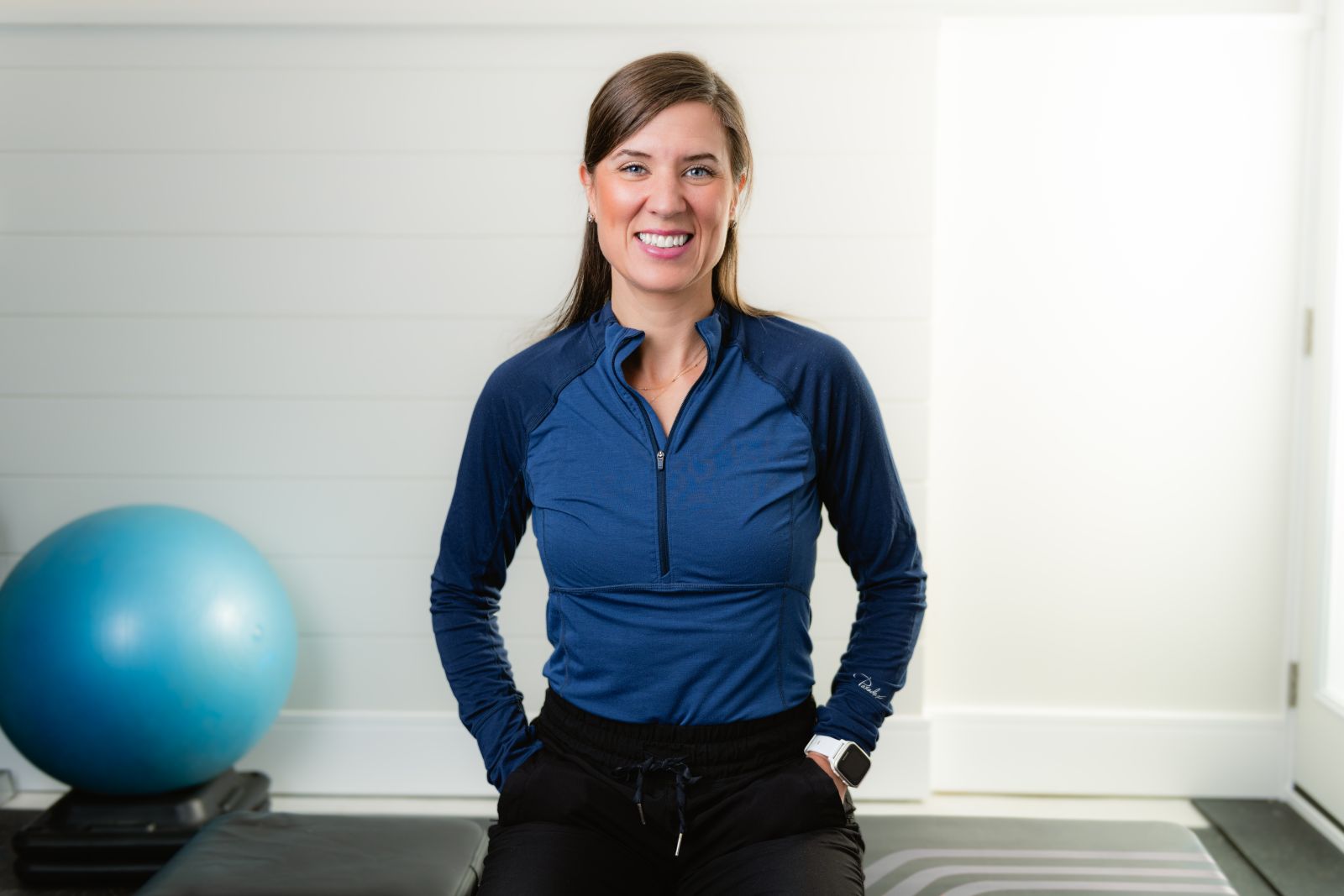
Let's talk about Goal Setting... Happy New Year!
January often brings a fresh sense of possibility. Many of us think about goals this time of year — what we'd like to improve, regain, or work toward. Lately, I've been reflecting on what it really means to think bigger. In my experience as a physiotherapist, big change is rarely achieved through one big leap. Rather, it is built through small, consistent steps over time. The same is true when it comes to setting and achieving meaningful goals for your health and mobility.
Why do goals matter? Goals give your movement and exercise a purpose. Research consistently shows that people who set clear, meaningful goals are more likely to stay active, improve function, and maintain independence as they age. Goals help turn intention into action — and action into results.
Short-term vs long-term goals: why you need both
Long-term goals give us direction. They answer the “why.” For example: I want to keep living independently in my home, or I want to walk confidently without fear of falling. These goals are important — but they can feel overwhelming, or even elusive, if they're the only thing we focus on.
Short-term goals are where progress actually happens. They are the stepping stones that move you toward that bigger vision. A short-term goal might be: I will practice getting out of a chair without using my arms every day this week, or I will walk for 10 minutes after breakfast, five days this week. Small goals build momentum, confidence, and consistency — and that's where real change occurs.
Turning goals into action
One of the most effective ways to turn goals into real-life change is something called Brief Action Planning, a practical approach rooted in Motivational Interviewing. At its heart, it's about respecting your values, your pace, and your confidence — because lasting change works best when it comes from within. Here are some practical steps:
1. Open-ended questions: start with curiosity. Instead of telling yourself what you should do, try getting curious. What matters most to me right now when it comes to my health or mobility? What would I like to be able to do more easily in my daily life? What feels realistic for me this week — not perfect, just possible? These questions help shift the focus from pressure to possibility.
2. Affirmations: notice what you're already doing well. Change is easier when we acknowledge our strengths. I've already taken steps to stay active. I'm still trying, even when things feel harder. I've overcome challenges before — I can build on that. Affirmations aren't about false positivity; they're about recognizing effort, resilience, and progress. Remember: progress is possible at any age or stage.
3. Reflections: learn from experience. Reflection helps you adjust without judgment. What worked well for me last week? What got in the way — and what might help next time? How did my body feel when I moved more consistently? Use this information as feedback, not failure. Every experience teaches you something useful.
4. Summary: bring it all together. Brief Action Planning ends with a simple, clear plan — your plan. For example: “So, staying independent at home is important to me. This week, I feel confident starting small. I'm going to walk for 10 minutes after breakfast, five days this week. That feels doable.” That's it. No pressure. No perfection. Just a clear next step.
Why this approach works
Research shows that goals are more likely to stick when they are self-chosen, confidence-based, and flexible. This approach supports autonomy, builds confidence, and encourages consistency — the true driver of long-term change. If you're unsure where to start, or you'd like help turning your goals into an action plan that fits your body and your life, we're here to help. Our PhysioCare at Home team uses these same evidence-informed strategies to support safe, meaningful progress. Call us today for an individualized Assessment & Treatment Plan.
To Your Health,
Jillian
Physiotherapist & Clinical Director
As health care professionals, we see it every day with our clients, no matter their age or level of mobility: when goals are realistic, personal, and supported by consistency, Progress is Possible!
Therapist's Corner
It can be hard to know where to start when thinking about setting goals. Start with what you have had to give up that you would like to get back, and go from there. For example: “I can't get in and out of the car without assistance anymore — I would like to do that independently.” To help you stay consistent and motivated, connect your progress back to the functional difference it has made in your daily life. What things can you do more easily now that used to be so hard or impossible?
SMART goals: making goals practical (not perfect). You may have heard of SMART goals before. They're simply a way to make goals more doable:
- S — Specific. Be clear about what you want to do. Instead of “exercise more,” try “walk for 10 minutes.”
- M — Measurable. You should be able to track your progress in minutes, repetitions, or days per week. Example: “3 days per week.”
- A — Achievable. Choose goals that fit your lifestyle and energy levels — challenging but realistic. Small, realistic goals are more likely to stick.
- R — Relevant. Your goal should support what matters to you — health, energy, mobility, strength, or independence.
- T — Time-bound. Set a timeframe to help keep you focused. Example: “for the next 2 weeks.”
A SMART goal might look like this: For the next 2 weeks, I will practice standing on one leg at the kitchen counter for 30 seconds, once per day. Simple. Clear. Powerful. If you have a bigger, longer-term goal, consider having smaller sub-goals to help keep you accountable and track your progress on your way to the big goal. And make sure you know WHY you have a specific goal and how it ties into your values — the big picture can be incredibly motivating.
Client Spotlight: Deborah

Nominated by her physiotherapist, Noemie: Deborah sustained a fall resulting in pelvic fractures, and her goals were based on getting back to her previous levels of mobility, including climbing stairs. She has demonstrated that Progress is Possible & Consistency is Key in her physiotherapy and home exercise program, steadily increasing how far she can walk and how many stairs she can climb. Noemie has had to find more and more challenging balance exercises for her as well! Six months after her fall, she can now walk 2 km without a cane, climb 4–5 flights of stairs, and she is starting to integrate weight lifting into her program. Way to go, Deborah — you are crushing your goals!
Nutrition Tip: quality over quantity
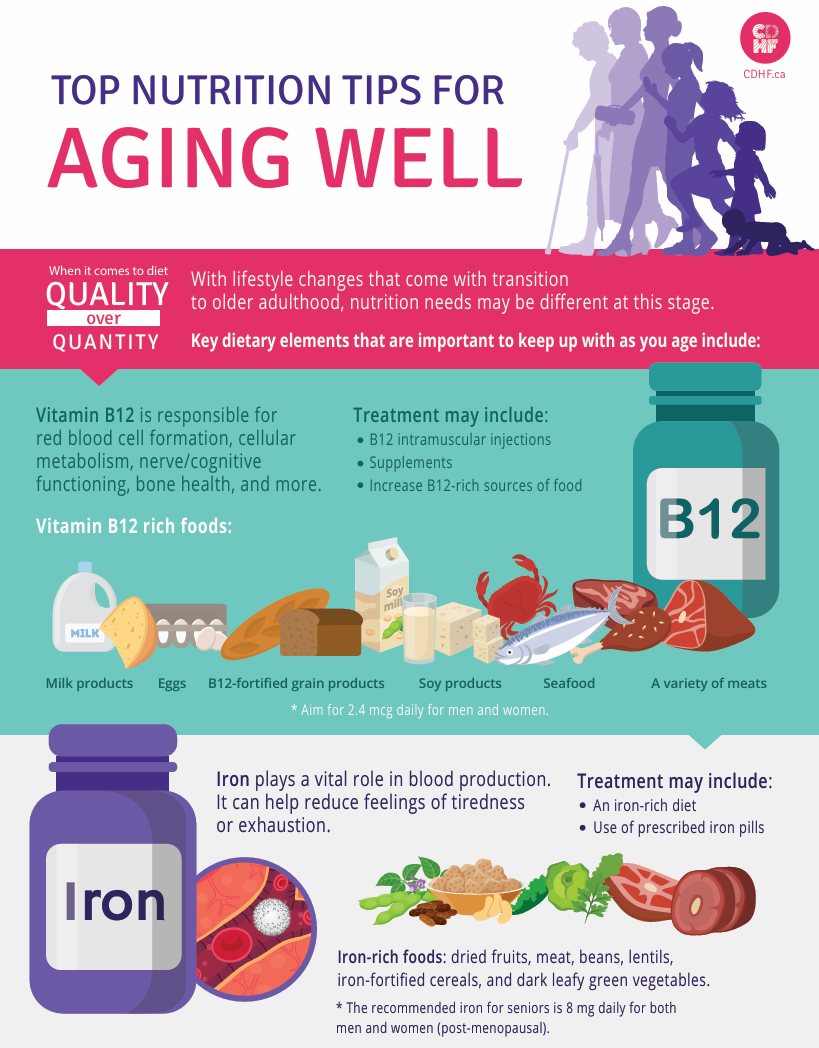
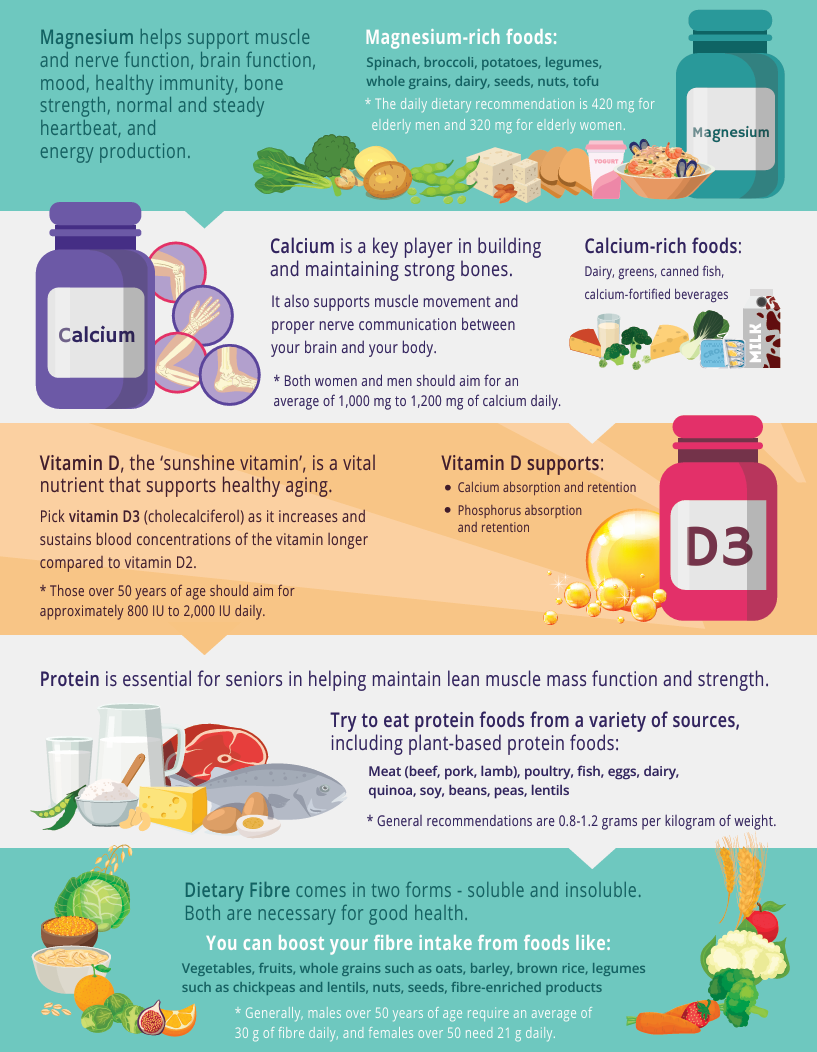
Goal setting is so important for nutrition as well, so we would love to suggest a good one: quality over quantity! As we age, our bodies often need less food overall, but more nutrition in every bite. Choosing quality over quantity helps ensure you're getting the energy, protein, and nutrients your body needs to stay strong and healthy. Here are some simple, practical examples:
- Choose protein-rich foods first. Eggs, Greek yogurt, cottage cheese, fish, chicken, beans, and tofu help maintain muscle and strength.
- Pay attention to vitamin B12. B12 supports energy, brain health, and nerve function, and absorption can decrease with age. Include foods such as fish, eggs, dairy, or fortified cereals. B12 deficiency is often overlooked, so talk to your healthcare provider about whether supplementation is right for you.
- Upgrade your snacks. Instead of crackers or sweets, try yogurt with berries, cheese and whole-grain crackers, nuts, or hummus with vegetables.
- Add healthy fats for nutrition and flavour. Avocado, olive oil, nuts, and seeds provide energy and support heart and brain health.
- Make vegetables count. Focus on colourful vegetables — especially cooked options like soups, stews, or roasted vegetables that are easy to eat and digest.
- Stay hydrated throughout the day. Hydration needs don't go away with age, but thirst cues can change. Sip water regularly and include fluids like herbal teas, milk, soups, or broths.
- Think “balanced plate.” Aim for a mix of protein, carbohydrates, and healthy fats at each meal — even if portions are smaller.
You don't need to eat more — you just need to make what you eat work harder for you. Thoughtful nutrition and hydration choices can support energy, strength, mobility, and independence every day.
Recipe of the Month

Try this recipe from Jamie Oliver.