
A message from our Clinical Director, Jillian.
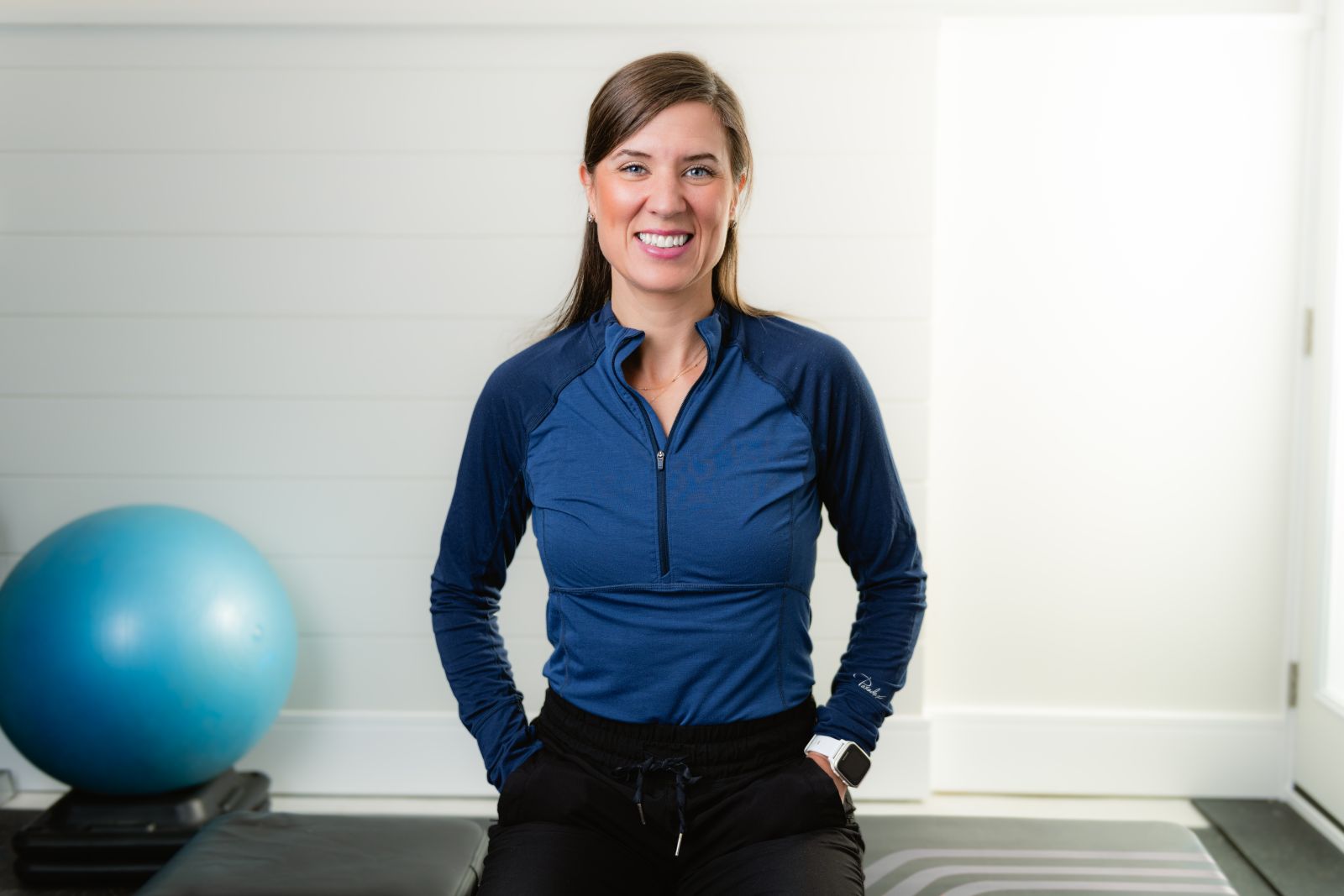
Let's talk about the 'Great Outdoors' and how it can improve our health...
Have you ever experienced how fresh air, natural light, and being around trees, gardens, or open sky can make movement feel a little easier? Or how it can improve your mood, and help you destress?
Getting outside is not just a nice change of scenery. Whether you're an 'outdoors' person or not, time in nature can support stress reduction, mood, physical recovery, and overall well-being — even when it starts with something as simple as sitting near a sunny window or taking a short walk outdoors. Evidence has even shown that recovery from surgery and hospital stays can be shortened simply by having access to more natural daylight and a view of trees!
The takeaway is simple: our surroundings can play a meaningful role in how we feel, move, and recover.
Make Nature Part of Your Movement
Outdoor activity can take so many different forms, but the ultimate goal is to find safe and enjoyable ways to combine movement with fresh air, daylight, and natural surroundings — then enjoy the benefits! Here are some ideas:
- Take your walking program outside. A quiet sidewalk, garden path, or local park can make a regular walk feel more enjoyable.
- Do your home exercises on the patio or deck. Your exercises stay the same — the environment changes.
- Garden in manageable doses. Gardening can involve reaching, bending, walking, carrying, and strengthening. Raised beds or containers can make it more accessible.
- Walk with a friend or family member. This combines movement, nature, and social connection.
- Use a sturdy park bench. With your physiotherapist's guidance, a bench may be useful for sit-to-stands, heel raises, modified planks & push-ups, supported balance exercises, or rest breaks.
- Take a nature break. Spend 10–20 minutes outside reading, stretching, having a cup of tea, or simply enjoying your surroundings while taking some deep breaths.
Research involving nearly 20,000 adults found that people who spent about two hours or more in nature each week were more likely to report good health and well-being. Importantly, those two hours could be accumulated through several shorter bouts. That means little moments count.
If You Can't Get Outside
Weather, mobility limitations, illness, poor air quality, or fall risk may sometimes make outdoor activity impractical. But don't let that stop you from bringing some of the outdoors into your daily life. Try these:
- Open curtains and blinds during the day.
- Sit where you can see trees, gardens, or the sky.
- Perform exercises near a bright window.
- Add plants or other natural elements to rooms where you spend the most time.
- Sit beside an open window or doorway when conditions are comfortable and safe.
- Visit an accessible garden centre, greenhouse, conservatory, or covered outdoor space.
If you or someone you love spends most of their time sitting indoors, positioning your chair next to your window could matter more than you realize!
Your Outdoor Challenge
Choose one small way to add more nature to your routine. Try it two or three times this week, and notice how your body, energy, or mood responds. It might be a short walk after lunch, exercises on the patio, watering a few plants, or moving your favourite chair closer to a window with natural light. Start with what feels realistic and enjoyable.
When it comes to movement, consistency is key. Small, regular doses of fresh air, natural light, and gentle activity can add up in meaningful ways. If pain, balance, mobility, or health concerns make outdoor activity difficult, your Therapist can help you find safe ways to incorporate nature and outdoor movement into your rehabilitation.
Get an individualized Assessment & Treatment Plan with one of our amazing Therapists TODAY, so we can help you improve your mobility, strength, balance, and confidence — all from the comfort of your home. Our PhysioCare at Home team can help — book an appointment with us today.
P.S. If you're inspired to bring more movement into your week, our Stronger at Home video series membership can help you stay consistent with guided, accessible exercises you can do from the comfort of home.
To Your Health,
Jillian
Physiotherapist & Clinical Director
Check out these balance exercises.
Small, regular doses of fresh air, natural light, and gentle activity can add up in meaningful ways, because when it comes to movement, Consistency is Key!
Therapist's Corner
Nature's proven health benefits:
- Living near 10 more trees per block = feeling 7 years younger.
- Gardening reduces dementia risk by 36%.
Make nature the “fourth pillar of health”: 1. Sleep, 2. Nutrition, 3. Exercise, 4. Nature. Follow the 2-20 rule: 2 hours weekly in 20-minute bouts.
Get moving outside!
- Plan your outing. Choose a time of day when temperatures are cooler and avoid the midday heat. Ask someone to join you!
- Start slow and build gradually. Increase your walking time or activity level a little each week.
- Wear supportive footwear. Choose shoes with good traction and avoid worn-out soles.
- Choose safe walking routes. Look for smooth, well-maintained paths with places to rest if needed.
- Stay hydrated & protect yourself from the sun. Bring water and take breaks, especially on warm days. Wear sunscreen, a wide-brimmed hat, sunglasses, and light-coloured clothing.
- Use mobility aids when needed. Walking poles, canes or walkers can improve stability and confidence.
- Think ahead. Bring water, medications if needed, and a fully charged cell phone.
- Modify outdoor activities, don't give them up. Raised garden beds, lightweight tools, benches, or walking with a friend can help you continue enjoying your favourite outdoor activities safely.
PTs can give prescriptions to the outdoors and free Canada park passes through the PaRx program: PaRx: A Prescription for Nature.
Client Spotlight: Daniel
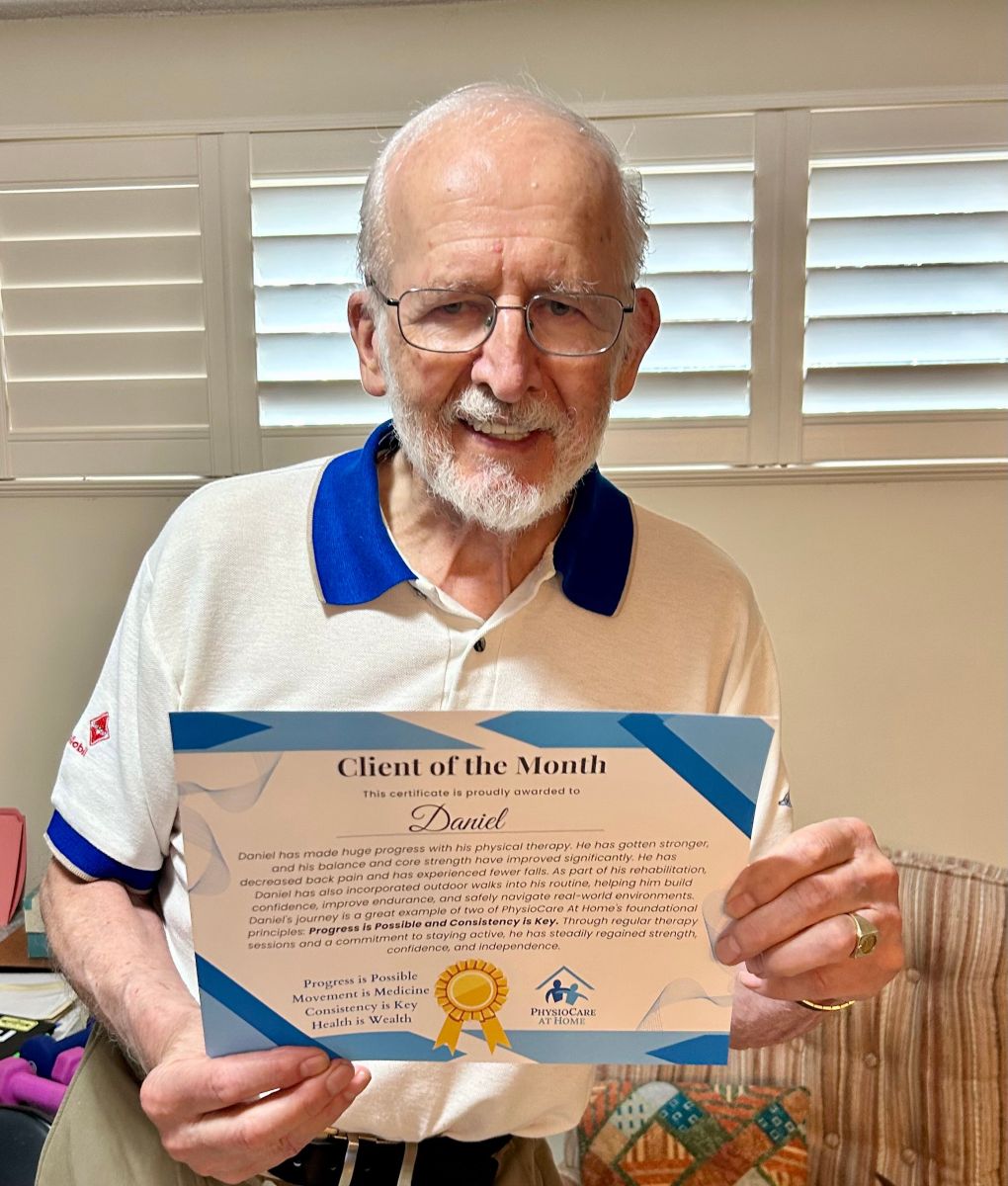
Daniel has made huge progress with his physical therapy. He has gotten stronger, and his balance and core strength have improved significantly. He has decreased back pain and has experienced fewer falls. As part of his rehabilitation, Daniel has also incorporated outdoor walks into his routine, helping him build confidence, improve endurance, and safely navigate real-world environments. Daniel's journey is a great example of two of PhysioCare At Home's foundational principles: Progress is Possible and Consistency is Key. Through regular therapy sessions and a commitment to staying active, he has steadily regained strength, confidence, and independence. Well done, Daniel!
Stronger At Home Online Exercise Program

Get Stronger — Stay Independent — Age Confidently. Stronger at Home is an online exercise program designed specifically for older adults. Led by registered physiotherapist Jillian Bergman Stow, our classes help improve strength, balance, mobility, and confidence — whether you're looking to maintain your independence, reduce your risk of falls, or simply stay active.
What you'll get:
- Recorded exercise classes
- Programs designed specifically for older adults
- Safe, evidence-based exercise instruction
- The flexibility to participate from home, on your own schedule
You can experience everything Stronger at Home has to offer and discover how regular movement can help you feel stronger, healthier, and more confident. Sign up here.
Nutrition Tips
Remember — a little planning goes a long way. Staying hydrated, eating nourishing foods, and listening to your body can help you enjoy the outdoors safely while supporting your strength, energy, and independence all summer long.
Start hydrated. Don't wait until you're thirsty. Drink water before heading outside, sip regularly during activity, and rehydrate afterwards. In hot weather, you may need more fluids than usual.
Fuel up before you go. Have a light snack 30–60 minutes before exercise, especially if you'll be active for more than 30 minutes. Try a banana, yogurt with berries, whole grain toast with peanut butter, or cheese and whole grain crackers.
Pack a healthy snack. If you'll be out for a while, bring a nutritious snack to help maintain your energy. Good options include mixed nuts, fresh fruit, a protein bar, trail mix, or apple slices with peanut butter.
Refuel after exercise. Within an hour of finishing, eat a meal or snack that combines protein and carbohydrates to help your muscles recover — for example, Greek yogurt with fruit, a turkey sandwich, cottage cheese with berries, or eggs on whole grain toast.
Time it right. Exercise during the cooler parts of the day — early morning or evening — and choose shady routes whenever possible.
Replace what you lose. If you're exercising for a long time or sweating heavily, foods containing electrolytes — such as yogurt, milk, bananas, oranges, or soups — can help replace minerals lost through sweat. Most older adults don't need sports drinks unless advised by their healthcare provider.
Eat for strength. Aim to include protein at every meal to help maintain muscle as you age. Good choices include fish, chicken, eggs, beans, tofu, Greek yogurt, and cottage cheese.
Recipe of the Month

Try these Greek Turkey Burgers with spinach, feta, and tzatziki from EatingWell.